If you’re anything like most parents of toddlers, the words photo session probably come with a small knot in your stomach.
Will they cooperate?
Will they melt down?
Will they refuse to put pants on?
Here’s the good news: a documentary in-home photo session is designed with toddlers in mind. These sessions don’t require smiling on command, sitting still, or “behaving” in a way that isn’t developmentally appropriate. In fact, the goal is to capture your child exactly as they are — curious, expressive, and wonderfully unpredictable.
That said, a little thoughtful preparation can help your toddler feel more comfortable and help your session flow naturally.
1. Keep the Explanation Simple (or Skip It Altogether)
Toddlers don’t need a detailed rundown of what’s going to happen. In many cases, less explanation is better.
If you do talk about it, keep it light and positive:
- “Someone is coming to take pictures while we play at home.”
- “We’re going to have a normal morning, just like always.”
Avoid phrases like “You have to behave” or “You need to smile for the camera.” These can create pressure and resistance before the session even begins.
For younger toddlers, it’s perfectly fine not to mention the session at all.
2. Choose a Time That Matches Your Toddler’s Rhythm
This matters more than almost anything else.
Schedule your session for a time when your toddler is typically:
- Well-rested
- Fed
- Not rushing out the door or coming home exhausted
For many families, that means mid-morning — after breakfast and before nap time. A regulated toddler is far more likely to engage naturally and feel safe exploring.
3. Stick to Your Normal Routine
One of the biggest benefits of an in-home documentary session is that your toddler gets to stay in their comfort zone.
On session day:
- Serve your usual meals or snacks
- Follow your normal morning rhythm
- Let things unfold naturally
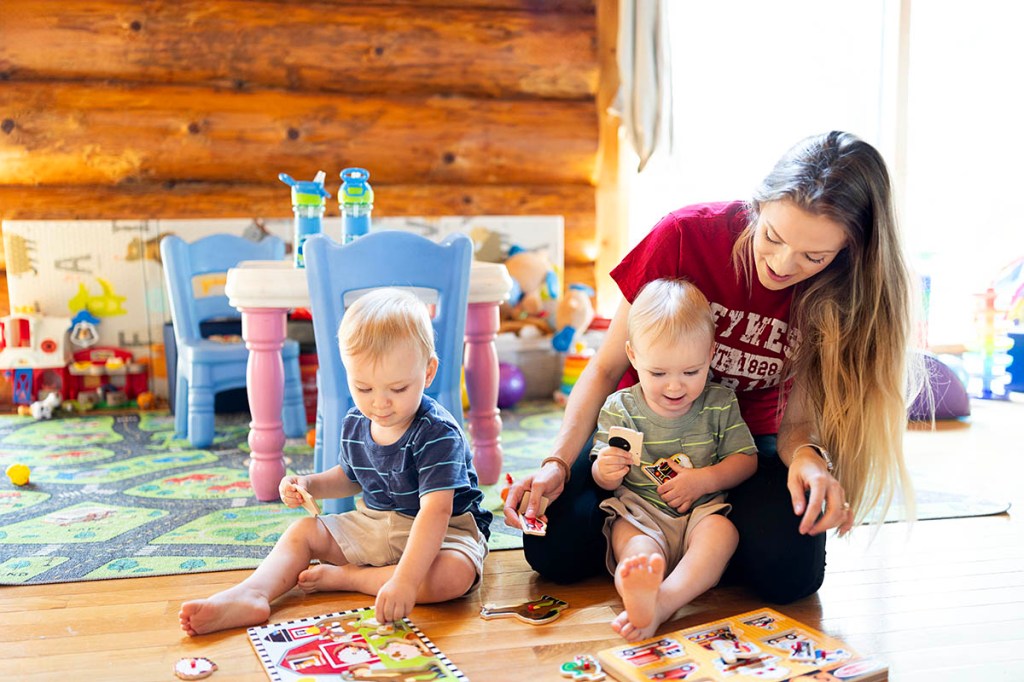
There’s no need to plan elaborate activities. Ordinary moments — building blocks, reading books, helping in the kitchen — are often where the most meaningful photographs happen.
4. Have a Few Familiar Activities Ready (But Don’t Force Them)
It helps to have a few go-to activities your toddler already loves:
- Favorite books
- Puzzles or blocks
- Coloring or drawing
- Helping with simple household tasks
These activities give your child something familiar to anchor to, but it’s important to let them lead. If they move on quickly or lose interest, that’s okay. Documentary photography follows your toddler’s cues — not the other way around.
5. Expect (and Accept) Big Feelings
Toddlers feel deeply. And sometimes those feelings show up right in the middle of a photo session.
If your toddler:
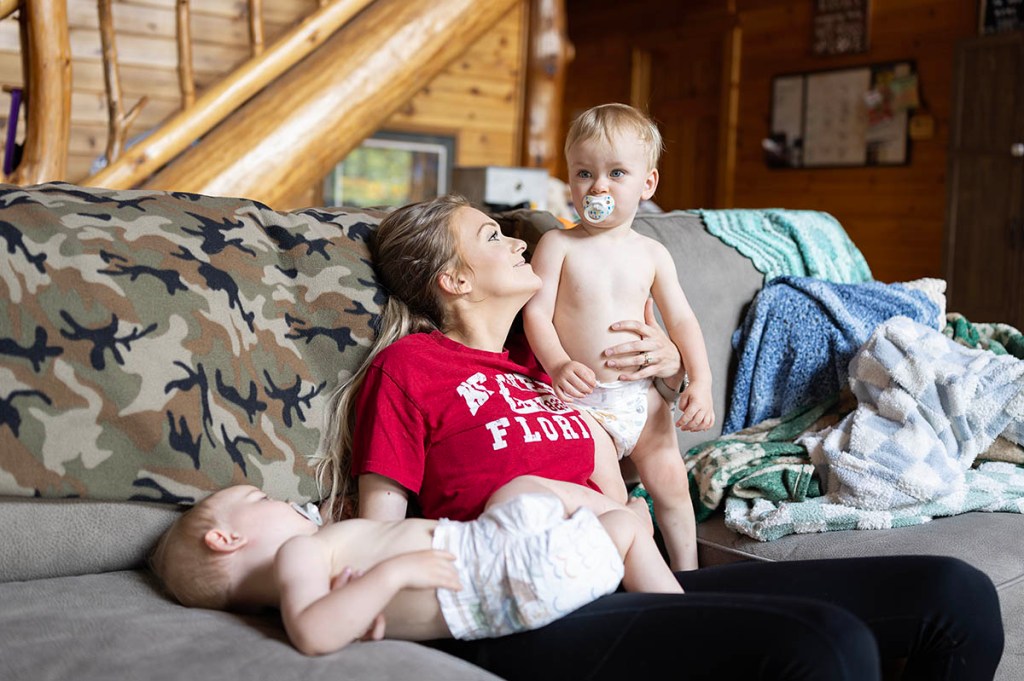
- Needs a cuddle
- Feels shy
- Has a brief meltdown
- Gets overwhelmed
That’s normal — and nothing to worry about.
These moments are part of your real family story. Some of the most tender, meaningful images come from moments of comfort, connection, and reassurance.
6. Let Go of “Perfect Behavior”
Your toddler does not need to perform.
They don’t need to:
- Smile at the camera
- Sit still
- Follow instructions
- Engage on a schedule
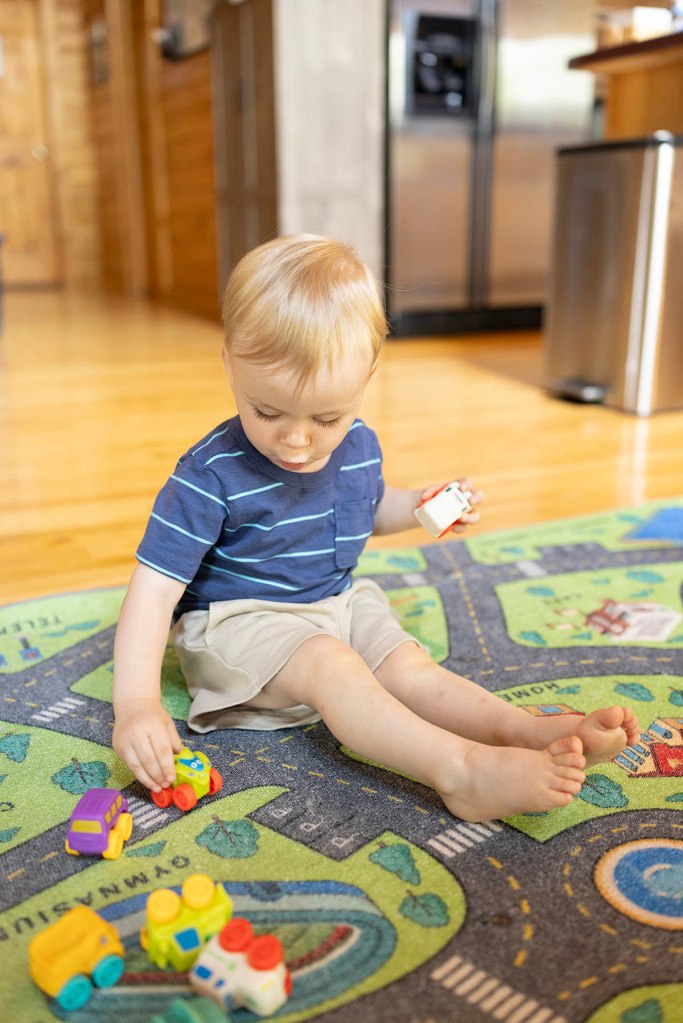
A documentary session is about capturing your child’s personality — whether that’s quiet observation, bold exploration, or playful chaos. Trust that your photographer knows how to work within those moments.
7. Focus on Connection, Not the Camera
The best thing you can do during your session is simply be present.
Read the book.
Build the tower.
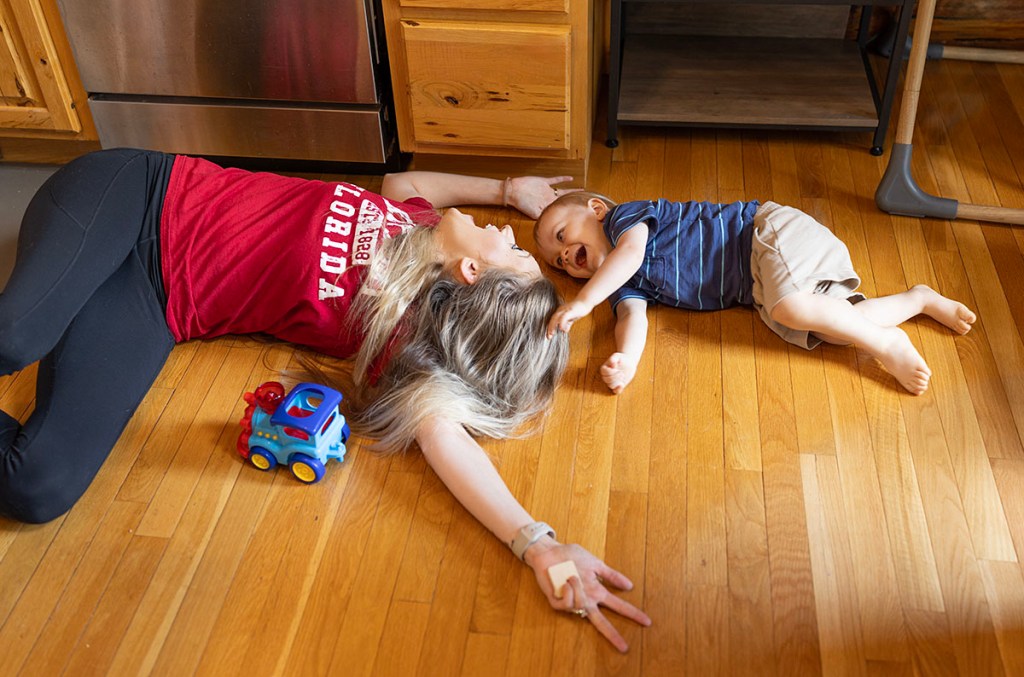
Sit on the floor.
Offer the hug.
When you focus on your child instead of the camera, your toddler feels safe — and that’s when authentic, meaningful photographs happen.
A Final Reassurance
If you’re worried that your toddler won’t “cooperate,” you’re already doing it right.
Documentary in-home photography is built for real families, real homes, and real stages of childhood — including the beautifully unpredictable toddler years. There’s no need to control the moment. Your job is simply to show up, stay connected, and let your family be exactly as they are.
Those are the moments you’ll want to remember.
 Julie Ann Photography • MINNEAPOLIS PHOTOGRAPHER